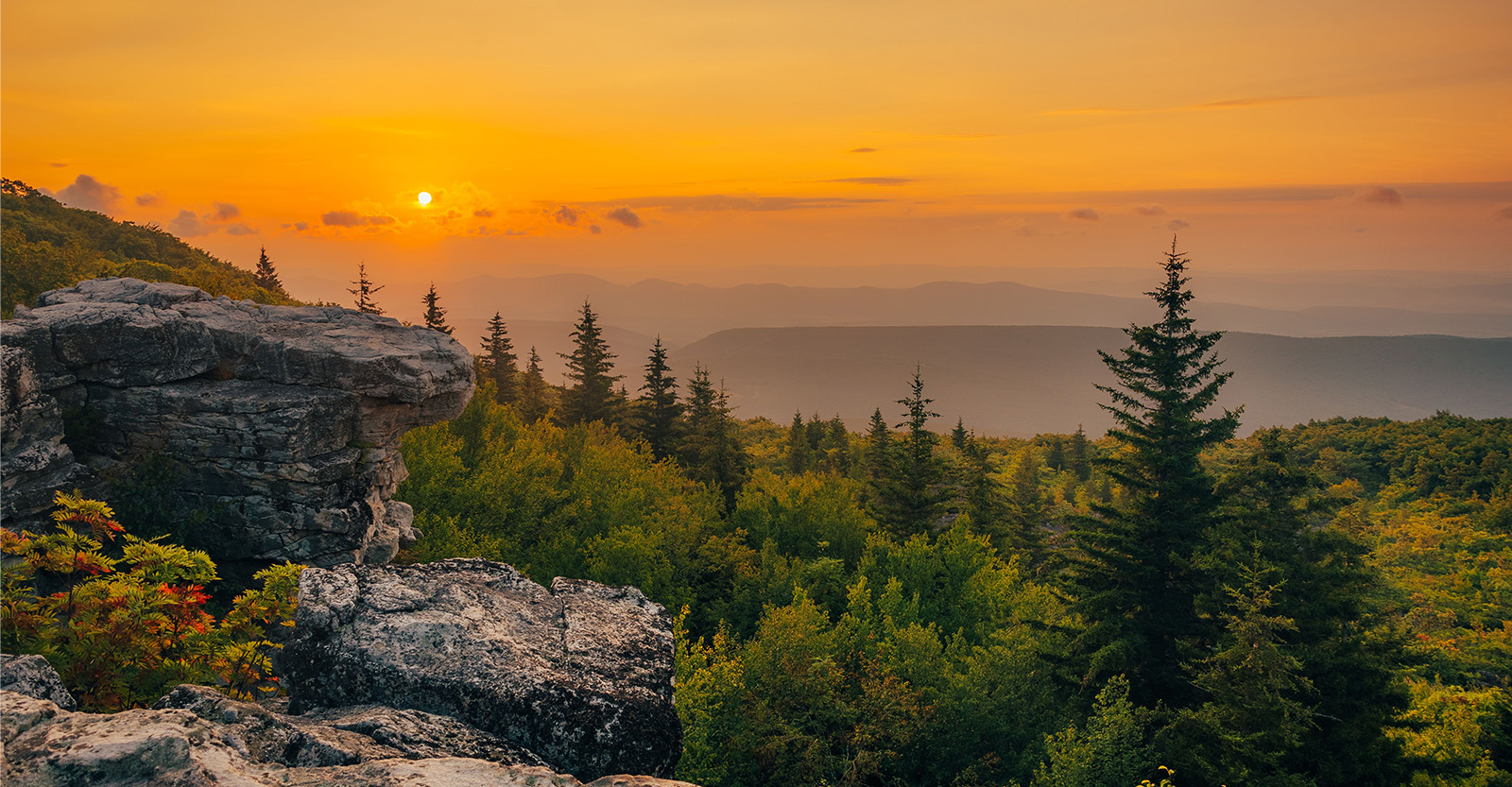
West Virginia unfolds as a vast mountain sanctuary where forested ridgelines roll one after another into blue distance. Mist rises slowly from the valleys at dawn, catching in the hardwood canopy and turning the landscape into layers of silver and green. The air carries the scent of wet leaves, river stone, and pine, and even the quiet feels textured, broken only by wind moving across the slopes.
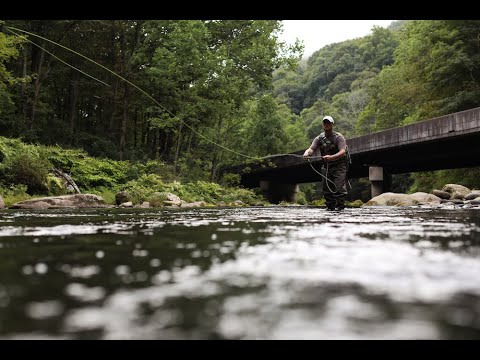
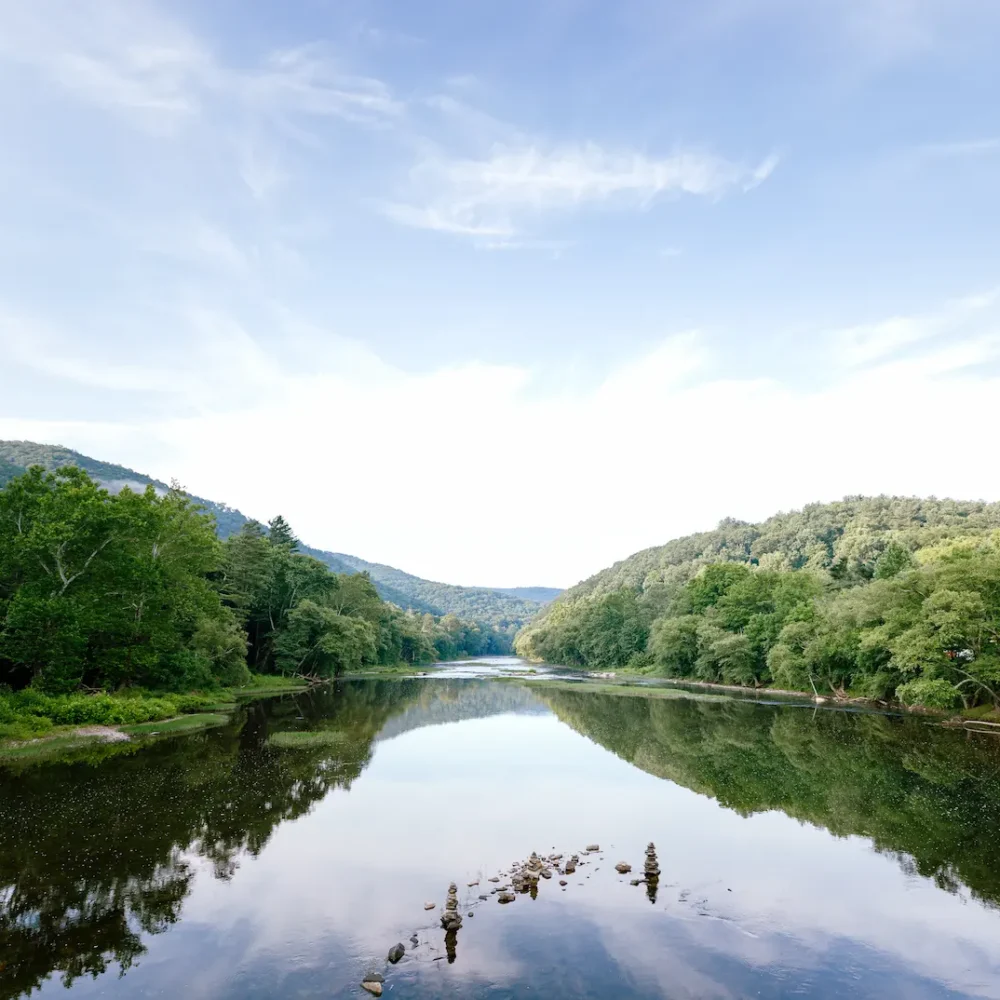
Rivers carve the state’s character as much as the mountains. The New River and the Gauley rush through deep gorges, their whitewater echoing against sandstone cliffs while rafters drift below like bright petals in motion. Along calmer stretches, anglers stand knee-deep in cold currents, herons wait with patient stillness, and the rhythm of water smooths the edges of time.
Appalachian Stories of Self-Reliance and Spirit
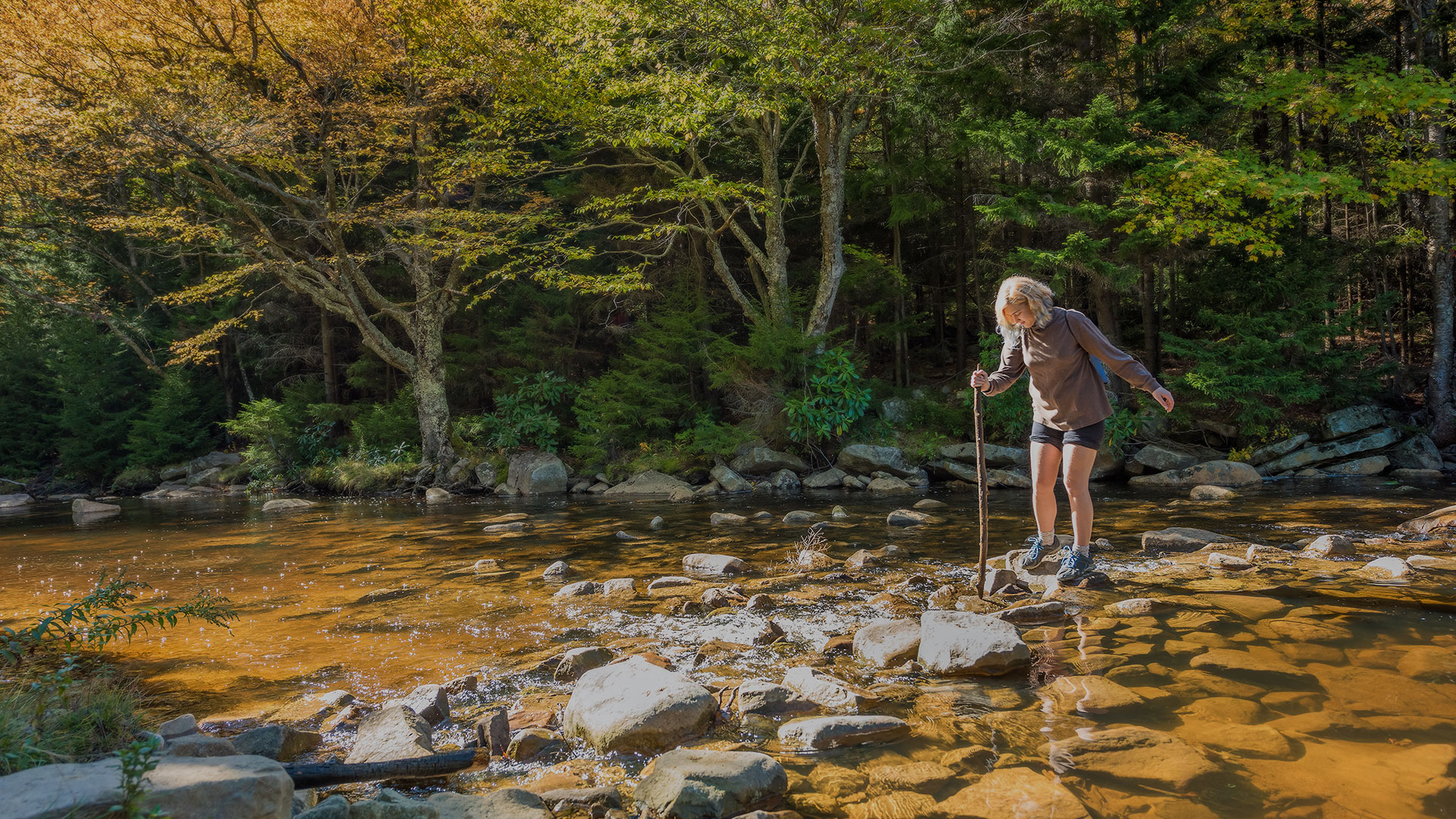
In the high country, trails wind through spruce forests and open suddenly to rocky overlooks where the world seems to fall away. From places like Dolly Sods or Spruce Knob, the horizon stretches wide and ancient, shaped by wind and seasons older than memory. Blueberries cling low to the ground, ravens ride thermals overhead, and hikers pause not just to rest, but to take in something that feels enduring and rare.
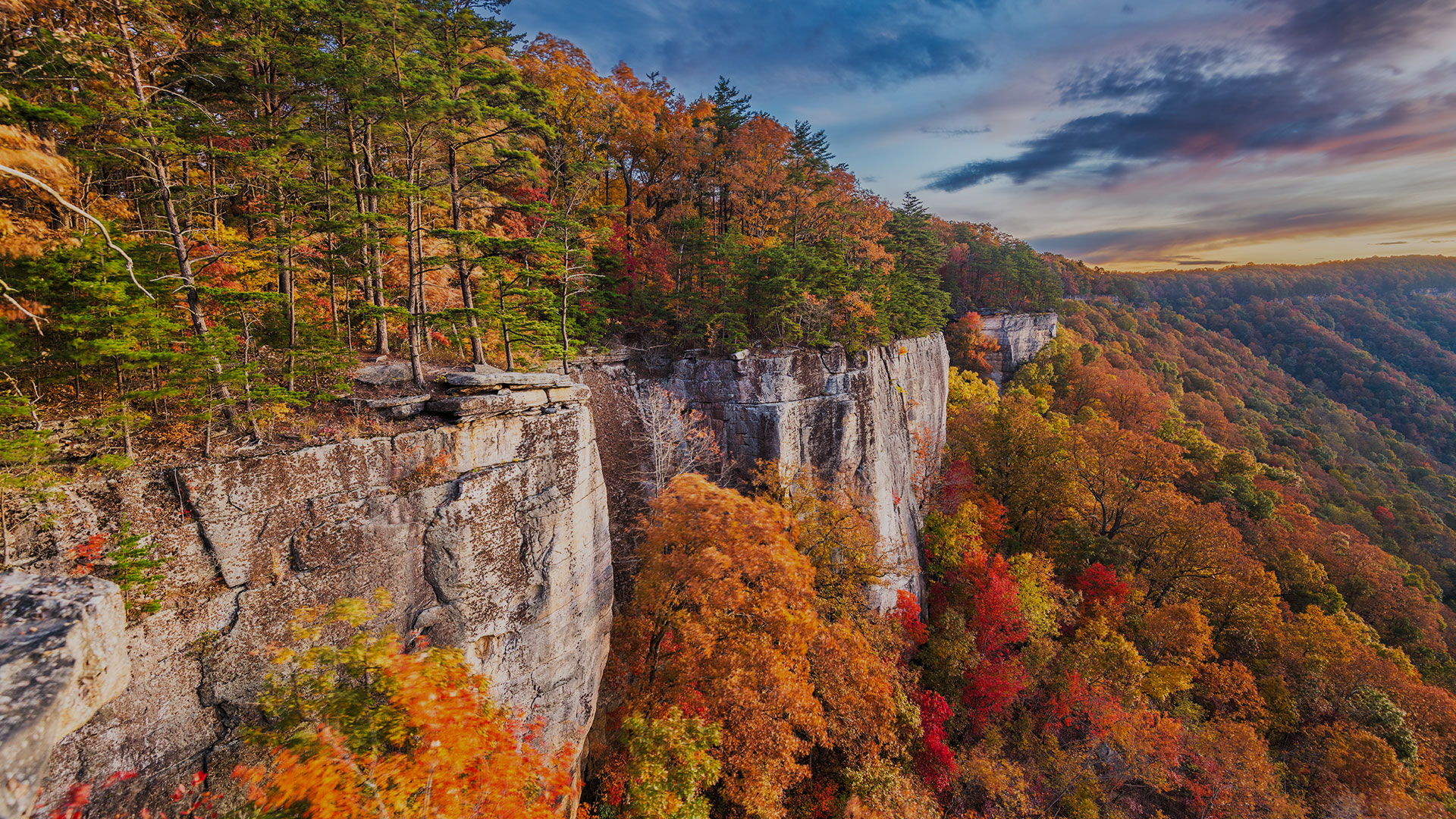
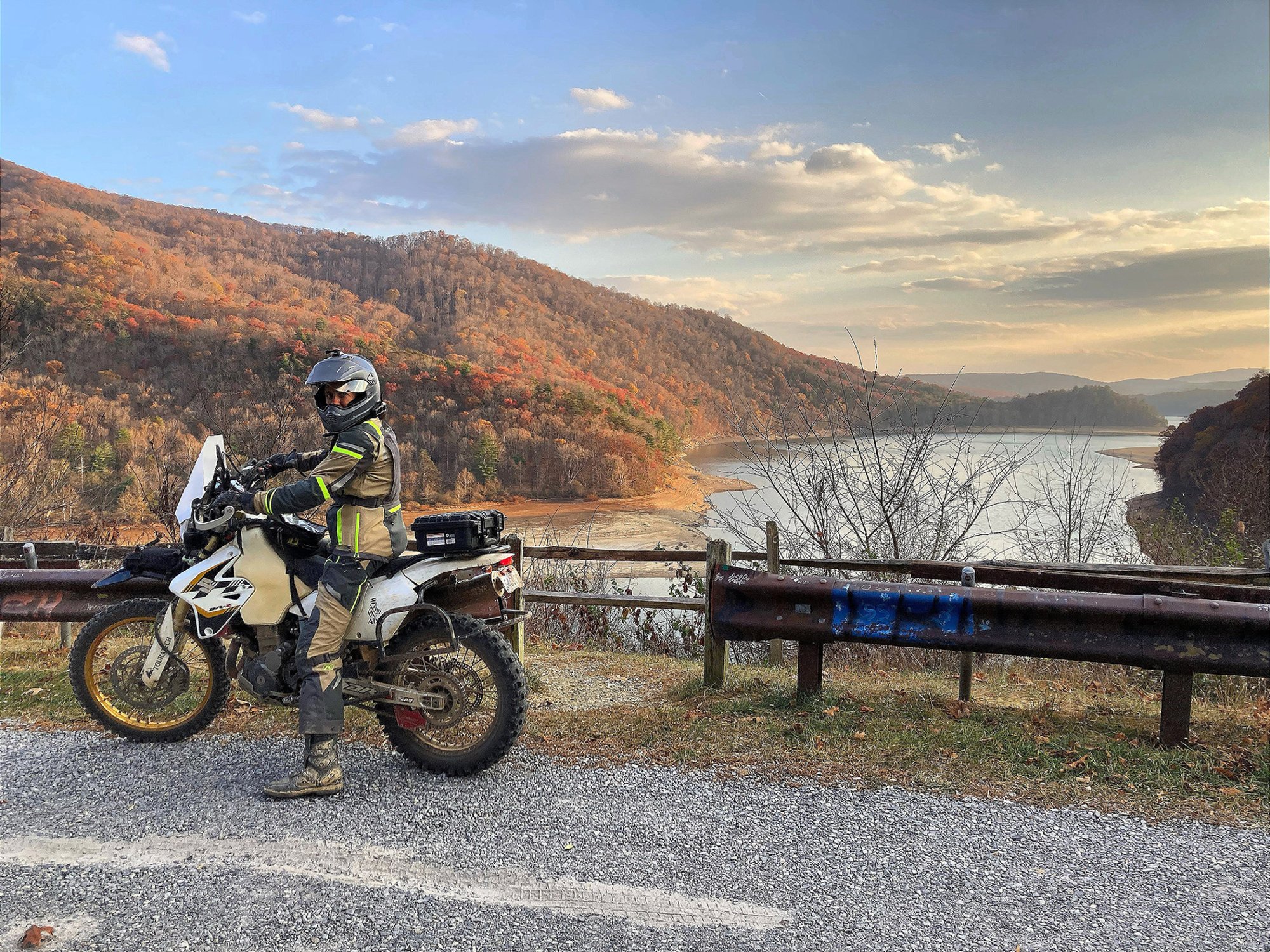
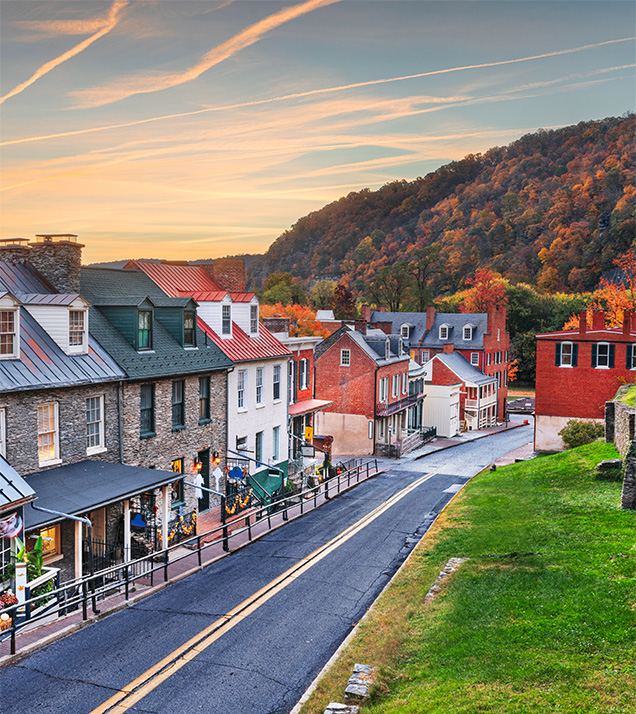
Autumn arrives with theatrical confidence. Hillsides ignite in amber, crimson, and gold, drawing slow drives along winding roads and long walks under falling leaves. The crunch beneath your boots, the distant smoke from a cabin chimney, and the early twilight create a sense of warmth that invites reflection as much as exploration.
Mountain Music and Moonshine: The Traditions That Shaped Appalachia
Even in winter, the outdoors remain alive. Snow traces the curves of fence lines and settles into the quiet hollows, while frozen waterfalls cling to shaded rock faces like glass sculptures. Whether on skis, around a campfire, or simply watching breath rise into cold air, the landscape offers a steady reminder that beauty here is not a moment—it is a presence.
In the high country, trails wind through spruce forests and open suddenly to rocky overlooks where the world seems to fall away. From places like Dolly Sods or Spruce Knob, the horizon stretches wide and ancient, shaped by wind and seasons older than memory. Blueberries cling low to the ground, ravens ride thermals overhead, and hikers pause not just to rest, but to take in something that feels enduring and rare.
Business Featured in this Article
The Appalachian Homestead Revival: From Off-Grid to Organic
West Virginia unfolds as a vast mountain sanctuary where forested ridgelines roll one after another into blue distance. Mist rises slowly from the valleys at dawn, catching in the hardwood canopy and turning the landscape into layers of silver and green. The air carries the scent of wet leaves, river stone, and pine, and even the quiet feels textured, broken only by wind moving across the slopes.
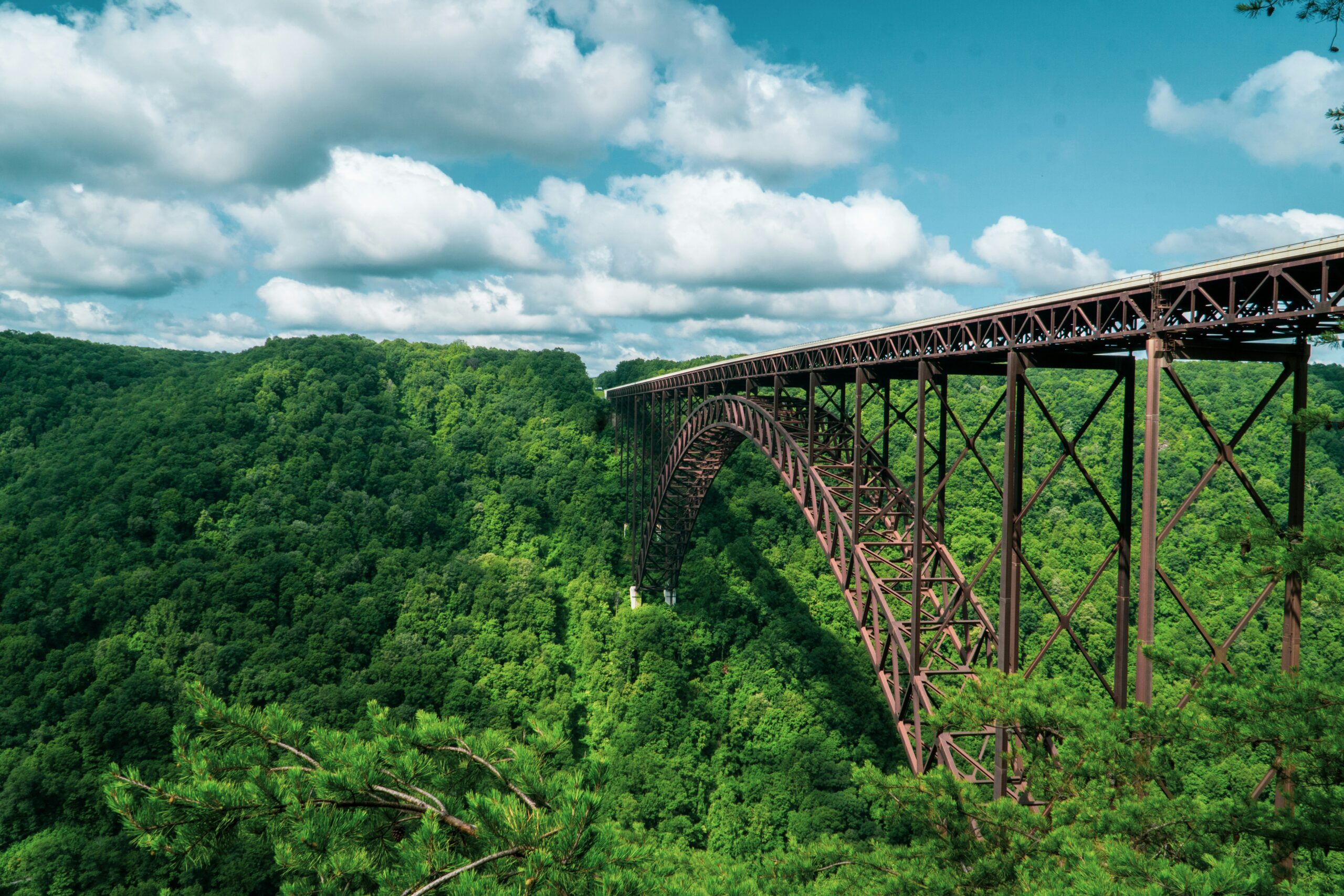
Rivers carve the state’s character as much as the mountains. The New River and the Gauley rush through deep gorges, their whitewater echoing against sandstone cliffs while rafters drift below like bright petals in motion. Along calmer stretches, anglers stand knee-deep in cold currents, herons wait with patient stillness, and the rhythm of water smooths the edges of time.
In the high country, trails wind through spruce forests and open suddenly to rocky overlooks where the world seems to fall away. From places like Dolly Sods or Spruce Knob, the horizon stretches wide and ancient, shaped by wind and seasons older than memory. Blueberries cling low to the ground, ravens ride thermals overhead, and hikers pause not just to rest, but to take in something that feels enduring and rare.
Guardians of the Green
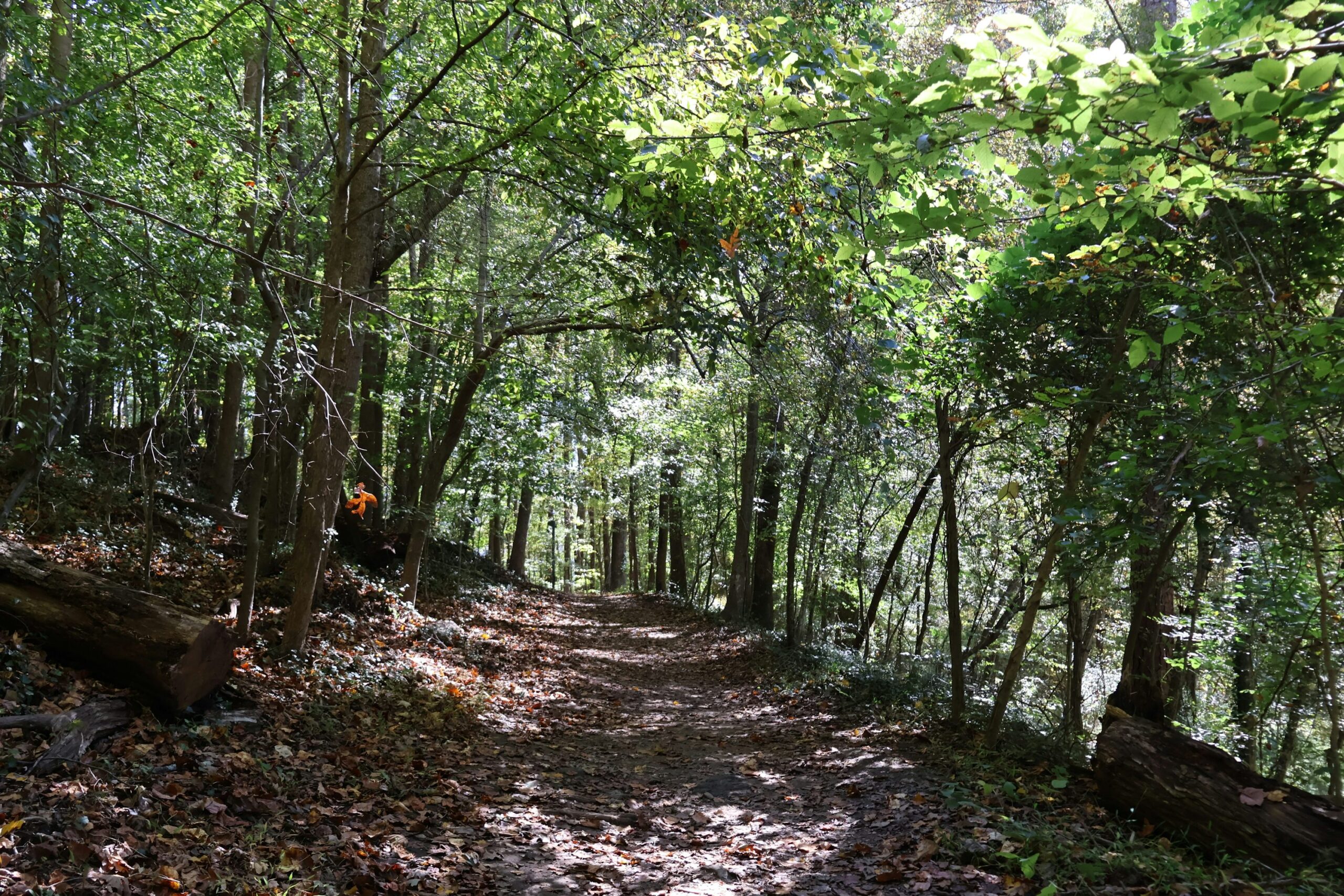
In the high country, trails wind through spruce forests and open suddenly to rocky overlooks where the world seems to fall away. From places like Dolly Sods or Spruce Knob, the horizon stretches wide and ancient, shaped by wind and seasons older than memory. Blueberries cling low to the ground, ravens ride thermals overhead, and hikers pause not just to rest, but to take in something that feels enduring and rare.
How Appalachians Are Protecting Their Forests
Rivers carve the state’s character as much as the mountains. The New River and the Gauley rush through deep gorges, their whitewater echoing against sandstone cliffs while rafters drift below like bright petals in motion. Along calmer stretches, anglers stand knee-deep in cold currents, herons wait with patient stillness, and the rhythm of water smooths the edges of time.

Autumn arrives with theatrical confidence. Hillsides ignite in amber, crimson, and gold, drawing slow drives along winding roads and long walks under falling leaves. The crunch beneath your boots, the distant smoke from a cabin chimney, and the early twilight create a sense of warmth that invites reflection as much as exploration.
Even in winter, the outdoors remain alive. Snow traces the curves of fence lines and settles into the quiet hollows, while frozen waterfalls cling to shaded rock faces like glass sculptures. Whether on skis, around a campfire, or simply watching breath rise into cold air, the landscape offers a steady reminder that beauty here is not a moment—it is a presence.
Businesses Featured in this Article
About the Author
Michaela Watkins
Lorem ipsum dolor sit amet, consectetur adipiscing elit. Suspendisse id tristique arcu, quis malesua...